Inspiring discussions collaborative spirit
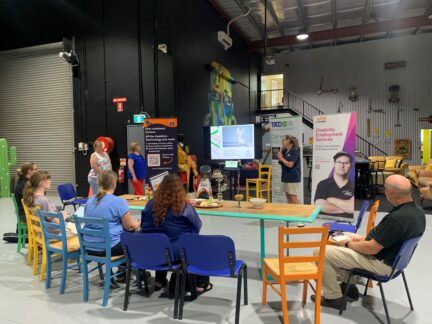
The first Allied Health Community of Practice (CoP) forum was a remarkable success, showcasing the vast potential for collaboration among professionals in the disability and aged care sector across greater Adelaide. This continuing professional development forum not only facilitated networking but also created an invaluable platform for sharing insights and best practices.
Designed specifically for individuals working in these vital sectors, our forums aim to foster professional development opportunities that directly support your practice. The enthusiasm and engagement from attendees underscored the need for ongoing dialogue and learning within our community.
We encourage you to join the network (email us at admin@tadsa.org.au) and share any specific topics you’re interested in exploring further, as we are committed to identifying appropriate speakers and resources for future events. As a member of the Hub, you can enhance your skills and ultimately improve the quality of care you provide to those who rely on you.
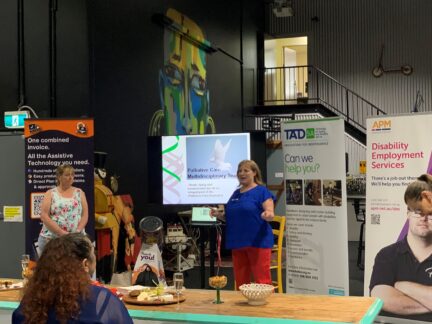
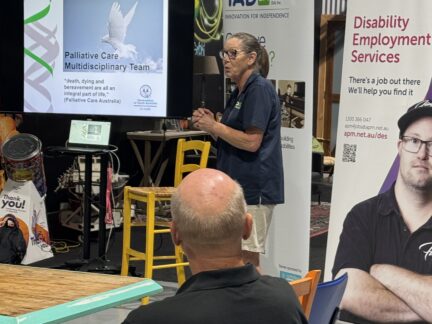
Pam and Monika guided us through their palliative care presentation noting the importance of understanding the trajectories towards the end of life that individuals may experience.
- **Trajectory A: ** (mostly cancer) This path often involves a relatively stable phase where individuals can maintain a sense of independence and engage in meaningful activities. Here, the role is to support continued participation in daily routines and hobbies that bring joy.
- **Trajectory B: ** (mostly end stage organ failure) As health challenges become more pronounced, individuals may face increased limitations. In this trajectory, we can add value by focusing on adaptive strategies and modifications that help maintain dignity and comfort during daily tasks.
- **Trajectory C: (mostly frailty and dementia) ** This trajectory is characterized by significant prolonged decline and increased care needs. Our contributions here are crucial—whether it’s facilitating communication about preferences or providing emotional support to both patients and families.
Throughout these trajectories, your commitment as allied health professionals remain steadfast—to enhance quality of life through compassionate care:
**Holistic Approach: ** To consider not just physical needs but also emotional, social, and spiritual well-being.
**Collaboration: ** Working closely with families and other providers ensures a comprehensive support system that can be tailored to individual needs.
**Advocacy: ** You have a unique position to advocate for patient preferences, ensuring their voices are heard throughout the care process.
Pam and Monika reminded participants to remember that every interaction holds the potential to make a meaningful impact on someone’s quality of life during this sensitive time and that by working together, you can foster an environment where every individual feels valued and supported.
Gallery
* Click on the images to view more details.